
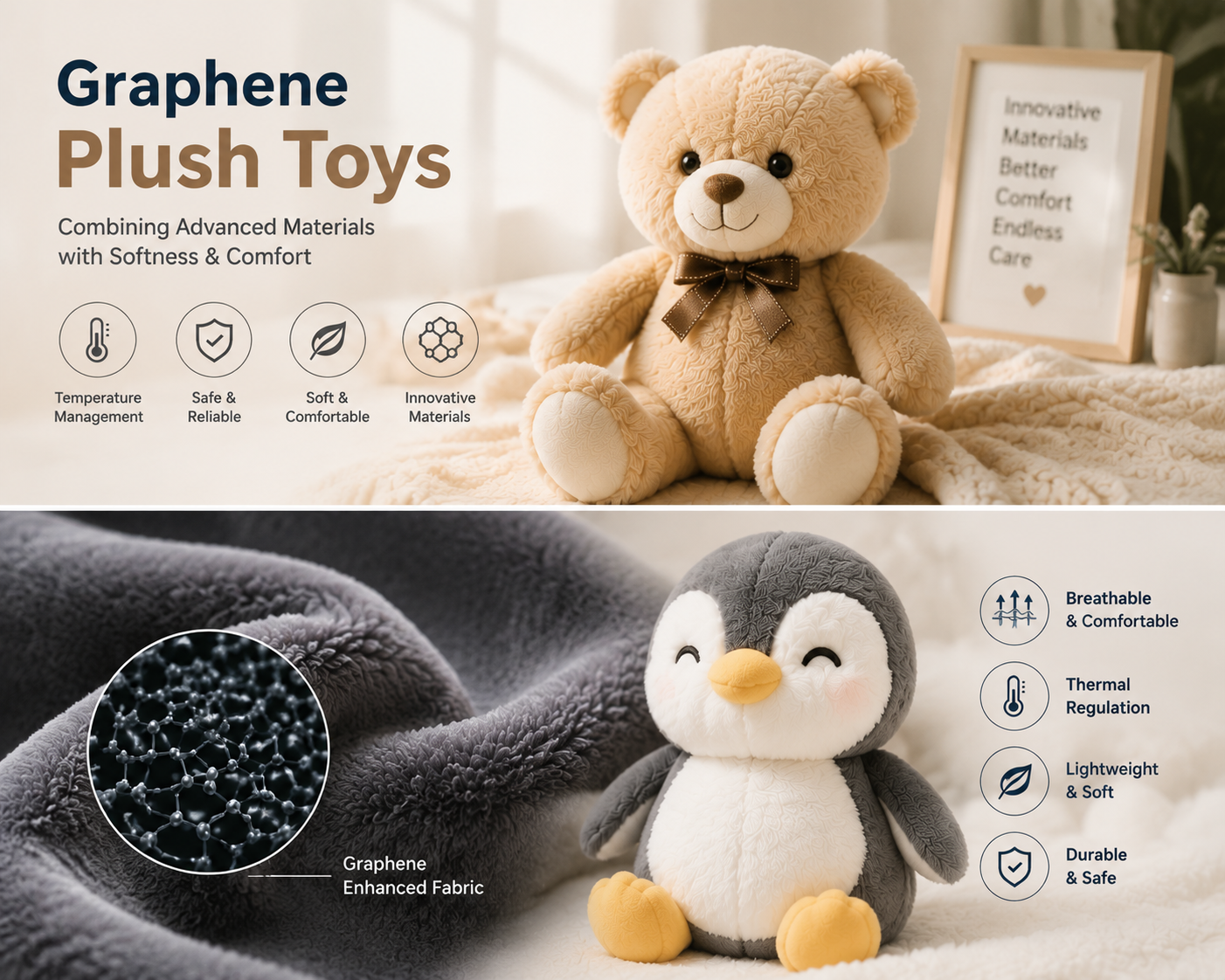
7 types of fabrics for custom plush toys are what every brand buyer and IP creator should know before starting a new plush project. Many first-time clients come to Zhengqi Toys in Dongguan with beautiful character art, but they get stuck right at the fabric selection stage.
Fabric choice changes hand feel, print clarity, safety compliance, cost and even the final look of your custom plush toy. As a China-based OEM plush factory exporting to Europe, America, Japan and South Korea, we have helped hundreds of brands pick suitable materials.
We take part in HK Toy Fair, Shanghai Toy Fair and Nuremberg Toy Fair each year, and our 9 pattern makers, one with over 20 years of experience, can turn your design into samples with up to 2 rounds of revisions. We run a full one-stop service: design, pattern making, sampling, mass production, quality inspection and shipment. Our certifications include ISO9001, ISO45001, BSCI, ICTI, Sedex and GRS, and we have passed audits for Disney FAMA, Walmart, Target and Auchan. Let’s break down these 7 types of fabrics for custom plush toys, so you can confidently pick the right one for your next order.
What are these 7 types of fabrics for custom plush toys, and when should you use each?
We will walk through the most common fabrics we use in our workshop, including their pros, cons and ideal use cases. Keep in mind that all materials we supply can meet ASTM and EN71 safety standards for the North American and European markets. You can check official toy safety rules on the CPSC website: https://www.cpsc.gov/
1. Short pile velboa Velboa is our most popular all-round fabric for custom plush toys. It has very short, neat fibers, so embroidered facial details stay sharp and clean. It resists shedding and pilling well, which makes it great for mascots, promotional plush gifts and small plush keychains. If your design has fine facial lines or printed logos, velboa is usually our first recommendation. The downside? It is not as ultra-soft as minky fabric.
2. Minky / crystal super soft fabric Minky, also known as crystal super soft, is famous for its luxuriously smooth, fluffy touch. It works perfectly for baby plush, cuddle dolls and premium gift lines. Many Kickstarter creators pick minky for their fan merchandise. The tradeoff is that longer pile can slightly hide tiny embroidery details, so we often adjust artwork when clients choose this fabric.
3. Faux long pile fur Long faux fur brings a realistic animal look, great for wolves, bears, fantasy creature plush. It looks stunning in photos, but it costs more and needs careful sewing. It can shed a little if not processed properly, so our QC team runs strict fiber shedding tests before bulk shipment.
4. Recycled polyester fabric (GRS certified) This is the sustainable option for eco-focused brands. Our GRS recycled plush fabric uses recycled plastic bottles. It has similar softness to standard velboa or minky, and it appeals strongly to European buyers who value environmental credentials. We can provide full GRS certificates for your customs and retail requirements.
5. Fleece Fleece is lightweight and budget-friendly. It is simple to cut and sew, ideal for simple, low-detail plush or pillow-style plush toys. But fleece is not the best choice for highly detailed characters, as it lacks a dense plush surface.
6. Matte suede-like fabric This non-shiny, soft matte fabric is perfect for minimalist IP characters. It has a smooth, low-glare surface that photographs beautifully. It is less common, so fabric lead times can be longer, and the material MOQ is higher.
7. Organic cotton plush Organic cotton is a premium pick for infant and newborn toy lines. It is natural and chemical-free. However, organic cotton plush is firmer and less fluffy than polyester plush, and it carries a higher price tag.
FAQ about fabric selection for custom plush toys
Q: Can I get fabric swatches before confirming the sample?
A: Absolutely. At Zhengqi Toys, we always send physical fabric swatches for clients to touch and compare before we start pattern work. This avoids surprises after sampling.
Q: Does fabric choice affect my safety certification for USA and EU markets?
A: Yes. Every fabric must pass the required chemical and flammability tests. Our factory has passed Disney, Walmart and Target audits, and all our fabrics can support ASTM F963 and EN71 testing for your export orders.
Q: Will changing fabric after sampling cost extra?
A: Switching fabric after sample approval usually requires a new prototype. Remember our policy allows up to 2 revisions for your plush sample. Our 9 pattern makers can adjust designs to fit your selected fabric.
Final tips on picking fabric
Don’t only choose fabric by photos online. A fabric that looks amazing on screen may lose character details in real production, which is why mastering the 7 types of fabrics for custom plush toys is critical for every global buyer. Think about your target market, age group, budget and brand positioning. When you work with our team, we help you balance softness, visual effect, safety and production cost by matching you with the best option from these professional 7 types of fabrics for custom plush toys.
If you want to explore 7 types of fabrics for custom plush toys further, reach out to us with your character design, target market and budget. Our team can suggest the best fabric and prepare swatches for your custom plush toy project.