
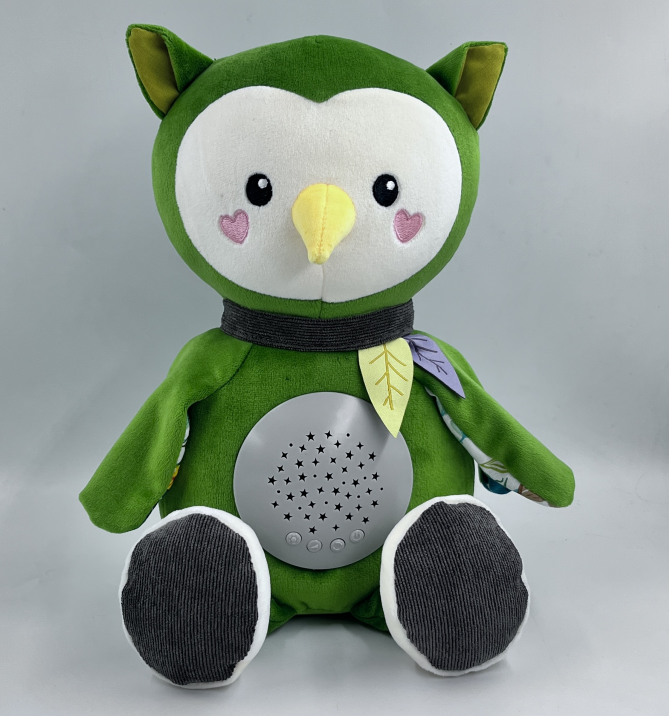
Sourcing organic baby stuffed animals has evolved from a niche marketing trend into a mainstream procurement requirement for premium toy brands, eco-conscious retail chains, and infant product distributors worldwide. Today’s millennial and Gen Z parents are exceptionally well-informed; they do not just look at the safety labels on toy packaging, but actively investigate the entire agricultural and manufacturing pipeline of the products they bring into their nurseries. They demand complete transparency regarding textile origins, chemical processing, and ethical labor. For global procurement officers, transitioning your product catalog toward verified sustainable materials is no longer just a corporate social responsibility (CSR) goal—it is a powerful competitive advantage that drives retail brand loyalty and command premium wholesale margins.
To successfully build a green infant toy brand, let’s explore the rigorous environmental standards, textile certifications, and manufacturing protocols required to deliver verified sustainable plush at scale.
1. Securing GOTS and OEKO-TEX Textile Certifications
The primary defining characteristic of genuine organic baby stuffed animals is the chemical purity of the outermost shell. To claim organic status in strict import markets like North America and the European Union, the cotton fabrics utilized must be certified under the Global Organic Textile Standard (GOTS). GOTS certification guarantees that the cotton was grown without harmful synthetic pesticides or genetically modified seeds, and processed without toxic heavy metals, chlorine bleaches, or aromatic solvents.
Furthermore, the finished textiles must hold the OEKO-TEX Standard 100 certification (Class 1, which is the strictest level specifically reserved for baby products under 36 months). This ensures that every single square inch of fabric touching an infant’s sensitive skin is completely free from carcinogenic dyestuffs, formaldehydes, and allergenic substances.
2. Incorporating Recycled Filling under the GRS Framework
True sustainability in toy manufacturing extends from the surface fabric deep into the interior stuffing. When producing organic baby stuffed animals at a commercial scale, forward-thinking brands utilize virgin-quality polyester fiber fillings derived from post-consumer recycled plastic bottles.
This process must be audited and verified under the Global Recycled Standard (GRS). GRS tracking ensures a transparent chain of custody, proving that ocean-bound plastics have been successfully collected, pelletized, and spun into ultra-soft, hypoallergenic stuffing fibers. Utilizing GRS-certified rPET filling allows your marketing team to tell a compelling ecological story—for example, explaining to consumers that every single customized organic teddy bear purchased directly prevents 5 to 7 plastic bottles from polluting global marine ecosystems.
3. Designing for Natural Aesthetics and Low-Impact Dyeing
The visual and aesthetic appeal of sustainable infant toys requires a departure from the garish, neon-saturated chemical dyes common in low-cost promotional merchandise. Manufacturing premium organic baby stuffed animals relies on low-impact, water-based reactive dyes or natural plant-extracted pigments.
This palette naturally favors earthy, soothing tones—such as soft pastels, warm creams, gentle sages, and muted ochres—which align perfectly with modern Scandinavian and minimalist nursery design trends. Additionally, low-impact dyeing processes utilize significantly less water and energy during the manufacturing cycle, drastically reducing the factory’s ecological footprint and ensuring the wastewater discharged from the dye house undergoes thorough ecological filtration.
4. Upholding Ethical Labor and Technical Manufacturing Standards
For modern consumers, environmental sustainability is hollow if it is not matched by ethical human standards. A truly compliant factory producing organic baby stuffed animals must prove its social compliance through annual third-party ethical audits.
Your manufacturing partner must maintain active certifications from the Business Social Compliance Initiative (BSCI) and the International Council of Toy Industries (ICTI) Ethical Toy Program. These frameworks guarantee that the artisans, seamstresses, and pattern makers who craft your custom toys work in safe, hygienic conditions, receive fair living wages, and are subject to zero exploitative labor practices. Partnering with an ethically certified source factory protects your brand from severe reputational risks and supply chain investigations.
5. Optimizing Eco-Friendly Packing and Clean Logistics
The commitment to a green supply chain must remain unbroken all the way through final packaging and international logistics. When shipping organic baby stuffed animals in bulk, avoid single-use plastics and non-recyclable laminate packaging.
Instead, specify that individual toys are protected by biodegradable glassine paper bags or FSC-certified (Forest Stewardship Council) recycled cardboard hangtags printed with soy-based inks. To optimize shipping space and reduce carbon emissions during transoceanic transit, utilize industrial pneumatic vacuum-sealing. Compressing the soft toys reduces their physical shipping volume by up to 60%, allowing you to fit double the inventory into a standard shipping container, which effectively cuts your ocean freight costs and carbon footprint per unit in half.
Launch Your Sustainable Infant Line with ZhengQi Toys
Embarking on the development of organic baby stuffed animals allows your enterprise to tap into the high-growth, high-margin green consumer segment with absolute confidence. At ZhengQi Toys, we back your ecological vision with over 20 years of expert manufacturing capability across our 4 modernized, fully certified facilities. We hold active GOTS, GRS, BSCI, ICTI, SCAN, and ISO9001 credentials, serving as a trusted direct-to-enterprise partner for global retail leaders like Disney and Walmart.
Design a cleaner future and secure a flawless, sustainable plush manufacturing pipeline today. Contact the enterprise specialists at ZhengQi Toys. Request A Quote to submit your sustainable design concepts and receive a comprehensive, factory-direct volume production proposal within 24 hours.